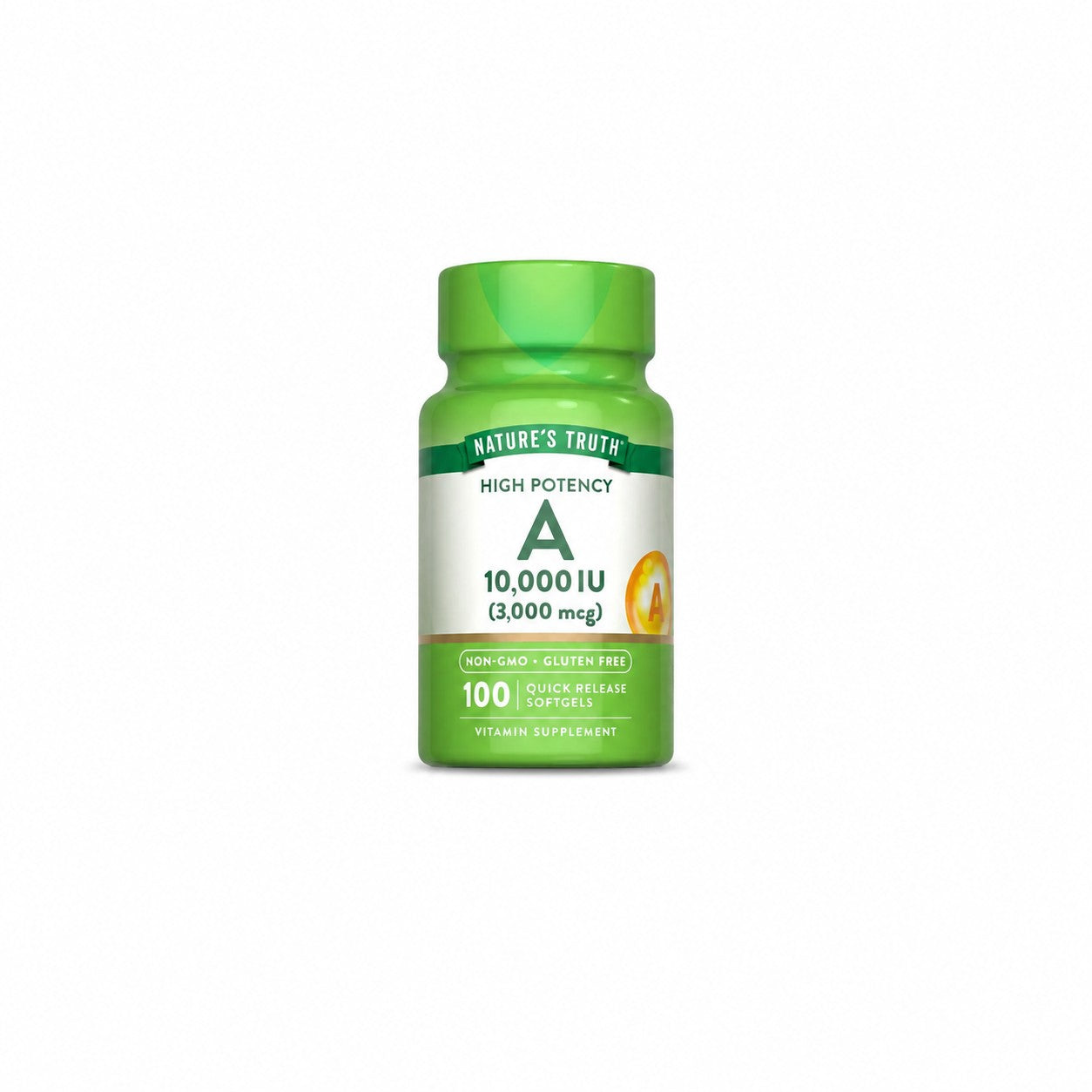
As we enter the colder months of the year, we’re more likely to deal with seasonal illnesses, from the common cold to flu and even seasonal allergies. The immune system faces increased stress, making it essential to support your body’s defenses. While nothing can replace a healthy diet, exercise, and proper sleep, certain supplements can provide the boost your immune system needs during these challenging seasons. In this article, we will explore some of the best supplements to take during cold, allergy, and flu season.
1. Vitamin C
Vitamin C has long been known for its immune-boosting properties. It supports the production and function of white blood cells, which are essential for defending the body against infection. Vitamin C also acts as an antioxidant, protecting cells from damage caused by free radicals, which may increase during illness.
While citrus fruits like oranges, lemons, and grapefruits are excellent sources of Vitamin C, supplements can provide an extra boost, especially if you're feeling run down. Some studies suggest that taking vitamin C daily may help reduce the severity and duration of colds.
Recommended Dosage: 500-1000 mg per day (adjust based on personal tolerance).
2. Vitamin D
Vitamin D plays a crucial role in supporting immune function. It helps to regulate the immune system and activates T-cells, which are essential in defending the body against pathogens. Low vitamin D levels have been associated with an increased risk of respiratory infections, making supplementation particularly important during the winter months when sun exposure is limited.
Recommended Dosage: 1000-4000 IU per day, especially for individuals with low levels or limited sunlight exposure.
3. Zinc
Zinc is another powerhouse mineral when it comes to immune health. It has been shown to play a critical role in maintaining the integrity of the immune system and reducing inflammation. Zinc supplements may also help shorten the duration of the common cold by inhibiting the replication of the cold virus.
One key benefit of zinc during cold and flu season is its ability to prevent viruses from entering your cells, potentially preventing the onset of illness. For those suffering from cold symptoms, lozenges containing zinc may help soothe a sore throat and reduce nasal congestion.
Recommended Dosage: 15-30 mg per day.
4. Elderberry
Elderberry is one of the most popular herbal remedies for cold and flu season. It has been used for centuries as a natural remedy to support the immune system. Elderberry contains antioxidants and anti-inflammatory properties, which can help reduce symptoms of the flu and common cold.
Research has shown that elderberry may help shorten the duration of the flu and reduce the severity of symptoms. It’s also believed to help with sinus congestion, making it a great option for allergy season.
Recommended Dosage: 300-600 mg of elderberry extract daily.
5. Probiotics
Your gut health is directly linked to your immune system. In fact, up to 70% of your immune cells are located in your gastrointestinal system. Probiotics are beneficial bacteria that support gut health and can help regulate the immune response. A healthy balance of gut bacteria can help the body fight off harmful pathogens more effectively.
Probiotics are especially helpful for preventing digestive issues that can occur during illness, such as diarrhea or nausea. They can also reduce inflammation in the body, which is a common symptom of viral infections.
Recommended Dosage: 10-20 billion CFUs (colony-forming units) per day.
6. Echinacea
Echinacea is a popular herb used to prevent and treat colds. It works by stimulating the immune system to fight off infection and reduce inflammation. Echinacea has been shown to reduce the severity and duration of cold symptoms and may even help prevent respiratory infections when taken as a preventative measure.
Some studies suggest that echinacea can be effective at the onset of cold symptoms, making it an excellent option to have on hand during flu season.
Recommended Dosage: 300-500 mg of echinacea extract, taken 2-3 times a day.
7. Quercetin
Quercetin is a potent antioxidant and anti-inflammatory flavonoid found in many fruits and vegetables. It has been shown to help reduce the symptoms of seasonal allergies by stabilizing mast cells and preventing the release of histamine (the compound responsible for allergy symptoms).
In addition to its anti-allergy benefits, quercetin also has antiviral properties, making it useful during cold and flu season as well. It can help reduce inflammation and support immune function.
Recommended Dosage: 500 mg once or twice a day.
8. Garlic
Garlic has been used as a natural remedy for centuries due to its powerful antimicrobial, antiviral, and immune-boosting properties. The active compound in garlic, allicin, has been shown to help the body fight off infections, especially respiratory infections like the flu and the common cold.
Garlic supplements are a great way to reap the benefits without the strong odor of raw garlic, which can be hard to digest for some. A daily garlic supplement can enhance your body's ability to ward off illness and support overall health.
Recommended Dosage: 600-1200 mg of aged garlic extract per day.
Final Thoughts
While supplements can support immune function during cold, flu, and allergy season, it’s important to remember that they are just one part of a healthy routine. Maintaining a balanced diet, staying hydrated, exercising regularly, and getting enough sleep are essential for your body’s overall health and ability to fight off infections.
Before starting any new supplements, especially if you are pregnant, nursing, or have underlying health conditions, it’s always a good idea to consult with a healthcare provider. Stay healthy and stay prepared for the cold and flu season ahead!